


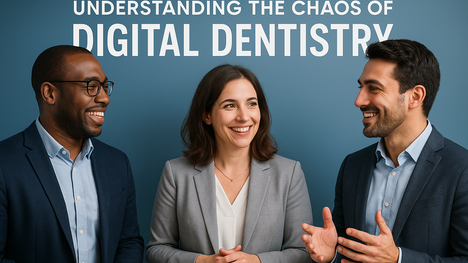
Understanding the Chaos of Digital Dentistry
In the modern age of dentistry, the explosive growth of digital solutions has led to a paradox known as the "Beautiful Mess". Conversations surrounding digital dentistry are rife with enthusiasm, yet they reveal an industry overwhelmed by an excessive number of products vying for attention. During a riveting exchange at the International Dental Show (IDS) 2025, Dr. Ahmad Al-Hassiny confronted this very dilemma alongside industry leaders Dr. George Raeber and Dr. Florian Kirsch, sparking a broader discourse on the necessity for streamlined solutions.
Product Overload: The Digital Dentistry Conundrum
Dr. Al-Hassiny's passionate critique underscores a common sentiment within dental circles: the proliferation of intraoral scanners—now numbering over thirty distinct models—and other digital products, from AI applications to 3D printers. He pointed out that while competition drives innovation and affordability, having too many choices can lead to confusion and complicate decision-making for practitioners. "At what point does choice become chaos?" he asked—an essential question that resonates with many dentists now facing a multitude of options.
The Impact of Digital Integration on Clinical Practice
Interestingly, the differentiation among scanners typically exists in the realm of software and workflow integration rather than hardware capabilities. Most mid-tier intraoral scanners, priced over $13,000, exhibit similar accuracies, typically within 20-30 microns. Factors such as ease of use, efficiency of software, and how well these devices mesh with existing practice operations are critical considerations. As Dr. Al-Hassiny notes, the ongoing technological advancements necessitate that dental labs embrace digitization sooner rather than later, a notion that carries significant weight given the industry's trajectory.
The Evolution of Professional Relationships Through Persistence
Reflecting on personal growth within the industry, Dr. Al-Hassiny shared his own experience of transitioning from an aspiring journalist to having strategic discussions with major dental firms. At IDS 2019, he faced rejection, but persistence ultimately opened doors to collaboration and meaningful conversations in 2025. This evolution emphasizes the importance of building credibility and maintaining professional relationships that can lead to beneficial conversations about streamlining digital solutions.
Broader Trends Affecting Dental Practices Today
The discussions at IDS 2025 spotlight a growing trend within the dental community towards consolidation of technologies and the establishment of standard practices that can simplify the digital workflow. As dental professionals like Dr. Emily Johnson in suburban Pennsylvania consider adopting new technologies, understanding these shifts can guide their decisions about which tools will best serve their practice and patients.
The Need for Unified Approaches in Digital Dentistry
In spite of the increasing competition, there is a glaring necessity for more comprehensive solutions tailored to the modern practice. Dental professionals need offerings that provide robust integration capabilities and customer support. The push towards fewer products that deliver more value could optimize clinical outcomes, promote better workflow, and enhance overall patient satisfaction.
Call for Collective Insight
As the dental community reflects on the implications of the IDS conversations, practitioners are encouraged to engage with peers on these topics, sharing insights and experiences to carve a path forward that prioritizes patient care over product variety. Initiatives such as webinars, community discussions, and collaborative practices could enhance understanding and adoption of technology in a way that aligns with the best interests of practitioners and patients alike.
Final Thoughts and Direction Forward
Digital dentistry is poised to lead the future of dental practices, yet the way forward lies in establishing a balance between innovation and practicality. For dentists like Dr. Emily Johnson, staying ahead requires both a discerning eye for quality over quantity in dental innovations and a willingness to adapt to the evolving landscape. As change unfolds, those who embrace simplicity amidst complexity will ultimately drive their practices toward sustainable growth.


Write A Comment